Loading...

Advanced AI tools can reduce your research paper writing time by nearly 40% while ensuring originality. Students and academics constantly juggle speed, citation accuracy, and plagiarism risks. This article guides you through AI-powered academic research engines like Samwell.ai that solve these challenges by automating searches, enforcing citation compliance, and safeguarding originality without sacrificing quality.
| Point | Details |
|---|---|
| Time Efficiency | AI research engines reduce writing time by up to 40% with built-in originality checks. |
| Citation Compliance | Integrated tools ensure compliance with MLA/APA citation styles automatically in 95% of cases. |
| Plagiarism Prevention | Real-time AI plagiarism detection prevents inadvertent duplication effectively. |
| Ethical Balance | Ethical use requires balancing AI assistance with human oversight to maintain integrity. |
| Optimized Quality | Using guided structures and custom inputs optimizes paper quality and minimizes errors. |
Academic research engines help you locate, organize, and generate academic content quickly. These platforms combine databases, search algorithms, and increasingly, artificial intelligence to streamline your research workflow.
AI integration began with automated citation and search filtering. Early systems simply suggested sources or formatted references. Today's engines have evolved dramatically.
Modern systems combine literature sourcing, plagiarism detection, citation compliance, and writing assistance in one platform. You no longer switch between multiple tools to draft, cite, and check originality.
In the US, AI adoption in academia is rising sharply. Universities emphasize ethical safeguards while embracing efficiency gains. Students benefit from academic AI writing tools that respect academic integrity.
Current platforms offer:
AI trends in academic research show that institutions prioritize transparency and user input. The goal is augmenting human capability, not replacing it.
AI automates exhaustive literature searches, filtering relevant academic content in seconds instead of hours. You input your topic and parameters. The system scans databases, journals, and repositories to surface high-quality sources.
Built-in citation engines support MLA/APA formatting, ensuring compliance automatically during paper generation. You no longer manually format each reference or worry about missing commas.
Advanced editors like Samwell.ai's Power Editor refine drafts by addressing paraphrasing and argument coherence issues. These tools identify weak transitions, repetitive phrasing, and logical gaps.

Guided workflows reduce common errors like citation omission and poor paraphrasing by 70%. Structured templates walk you through introduction, methodology, analysis, and conclusion sections.
Users save 30 to 40% of time normally spent researching and correcting formatting manually. This efficiency gain lets you focus on critical thinking and original analysis rather than mechanical tasks.
Key benefits:
Pro Tip: Start with AI-generated outlines, then customize them with your unique insights. This approach combines efficiency with originality.
The top AI writing tools integrate these features seamlessly. You maintain control while the system handles repetitive technical tasks.
Following research paper workflow tips maximizes these benefits. Establish your thesis first, then let AI assist with structure and sources.
Semihuman.ai technology restructures AI-generated content to enhance originality and reduce duplication. This process rephrases sentences, varies structure, and introduces synonyms without changing meaning.
Real-time AI plagiarism detection updates help catch emerging similarity issues before submission. Traditional checkers scan static databases. Modern systems continuously update as new content appears online.
Mandatory user customization and input reduce risks of overreliance on AI-generated text. Platforms require you to add sources, specify arguments, and review output critically.
Institutions report a 60% improvement in academic honesty compliance when AI tools include user input mandates. This data confirms that guided AI use supports rather than undermines integrity.
Effective plagiarism minimization integrates AI technology with human ethical oversight. You remain responsible for verifying sources, reviewing paraphrasing, and ensuring your voice dominates the paper.
Strategies for originality:
Pro Tip: After AI generates content, read it aloud and rewrite sections that sound generic. Your unique perspective should shine through every paragraph.
Plagiarism minimization tools at Samwell.ai combine detection with restructuring. You get alerts plus suggestions for improvement.
Learn plagiarism avoidance strategies to complement AI safeguards. Understanding proper citation and paraphrasing principles remains essential.
Myth 1: AI use leads to automatic plagiarism. Reality shows AI includes originality checks and content restructuring. Modern platforms actively prevent duplication through Semihuman.ai and similar technologies.
Myth 2: AI eliminates the need for manual citation review. You must verify source accuracy and formatting. Automated systems make mistakes, especially with unusual source types or complex citations.
Myth 3: AI replaces human oversight. Critical thinking and ethical judgment remain essential. You decide which sources support your argument and how to interpret data.
Ethical use policies emphasize transparency and user engagement to maintain integrity. Many institutions require disclosure when AI assists with assignments.
Balanced AI use enhances rather than diminishes academic quality and honesty. You gain efficiency while retaining ownership of ideas and arguments.
Key clarifications:
Following academic writing best practices ensures responsible AI integration. Understand your institution's policies before adopting new tools.
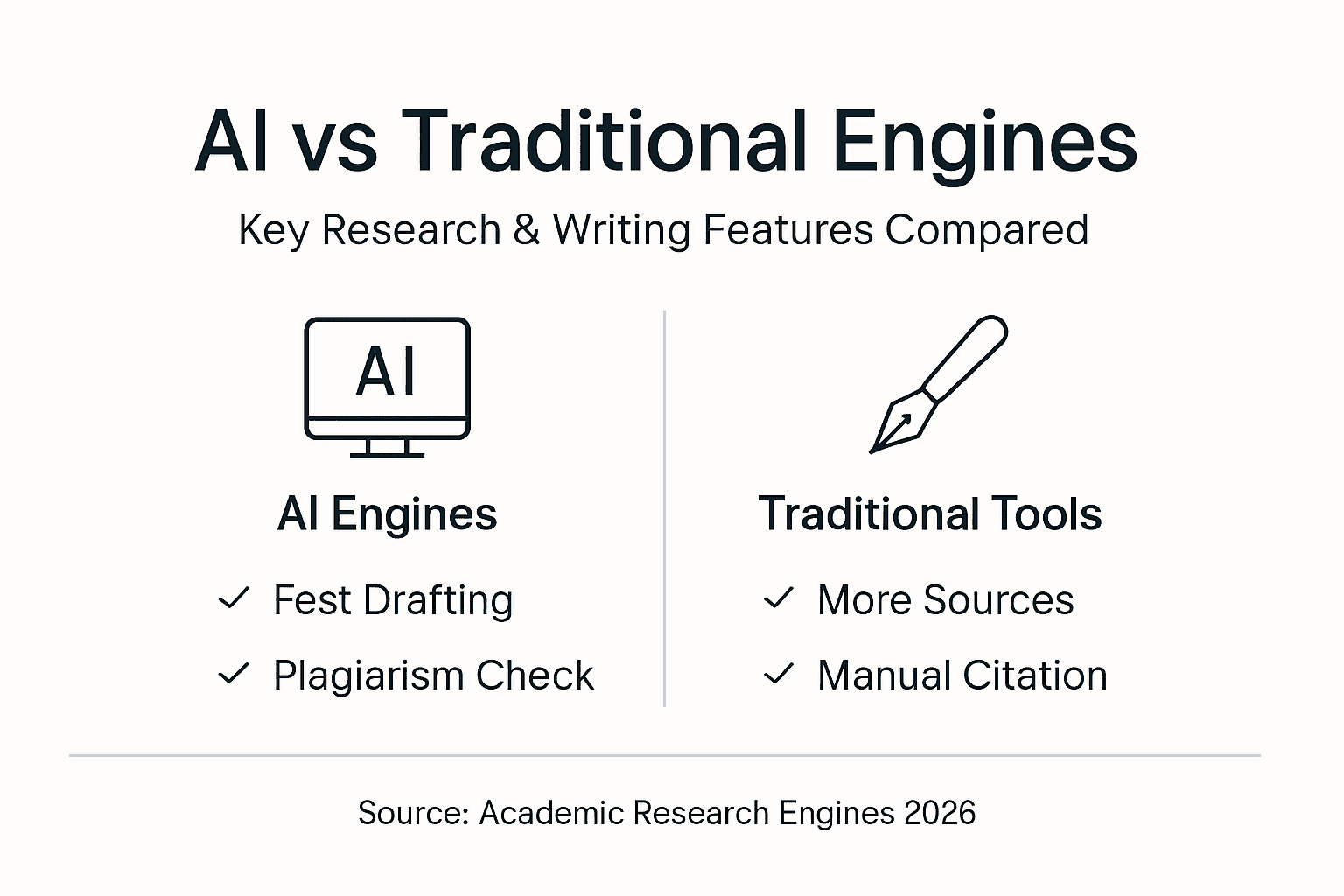
Samwell.ai features real-time AI plagiarism detection, Semihuman.ai originality technology, and integrated MLA/APA citation compliance. These capabilities distinguish it from traditional academic databases.
Traditional databases like JSTOR and PubMed excel in source variety but lack AI-powered writing assistance and plagiarism minimization. You find sources but must handle all writing and checking separately.
Citation style compliance varies significantly. Over 95% accuracy with Samwell.ai versus manual formatting necessities in traditional platforms saves hours of tedious work.
| Feature | Samwell.ai | Traditional Databases | Generic AI Writers |
|---|---|---|---|
| Real-Time Plagiarism Detection | Yes, continuously updated | Limited or none | Basic static checks |
| Citation Automation | MLA/APA 95%+ accuracy | Manual formatting required | Variable accuracy |
| Content Restructuring | Semihuman.ai technology | Not applicable | Basic paraphrasing |
| Guided Essay Structure | Power Editor + templates | Not applicable | Limited guidance |
| Source Integration | Custom source input | Extensive databases | Generic web sources |
Plagiarism detection accuracy is higher and updated dynamically in advanced AI platforms. Traditional checkers miss newly published content.
Editing features like Power Editor in Samwell.ai allow targeted content refinement unavailable in most databases. You improve specific paragraphs without rewriting everything.
Key differentiators:
Review research paper generators comparison for detailed feature analysis. Understanding tool strengths helps match solutions to your needs.
Explore AI writing tools comparison to see how different platforms prioritize features. Some emphasize speed, others prioritize integrity safeguards.
Risks emerge when students rely entirely on AI-generated content without critical evaluation. This approach violates academic honesty principles and produces generic work lacking original insight.
Institutions enforce policies that mandate human input to prevent academic dishonesty. Many require signed statements confirming substantial personal contribution beyond AI assistance.
Transparency about AI usage in academic submissions is increasingly required. You may need to disclose which tools assisted your research and writing process.
Effective academic research engines balance AI writing efficiency with strict academic integrity policies. This equilibrium prevents overreliance while capturing productivity benefits.
Ethical awareness must accompany AI tools for responsible academic writing. Understanding the difference between assistance and substitution keeps you on the right side of integrity standards.
Guidelines for ethical use:
Follow academic integrity best practices to navigate these considerations. Your reputation depends on maintaining ethical standards.
Maximize AI research engine benefits with these actionable strategies. Each tip enhances quality while maintaining academic integrity.
Use AI guided essay outlines to create logically structured drafts. Start with templates, then customize sections to fit your specific thesis and evidence.
Regularly run real-time plagiarism checks and review flagged sections manually. Address similarities immediately rather than discovering issues before submission.
Customize citation formats according to assignment requirements with AI templates. Verify unusual sources manually to catch formatting errors.
Incorporate your own critical input and verify AI-generated citations for accuracy. Cross-reference sources to confirm they support your claims.
Leverage advanced editors like Power Editor to polish arguments and correct errors. Focus editing on strengthening logic and evidence connections.
Input specific instructions and desired sources for customized results. Generic prompts produce generic output. Detailed guidance yields tailored content.
Combine AI efficiency with manual review cycles. Read your paper multiple times, refining AI suggestions into your authentic voice.
Explore AI citation generators to understand automation capabilities and limitations. No system is perfect without human verification.
Master research paper workflow techniques integrate AI at optimal stages. Use technology where it adds most value.
Compare MLA citation tools to find platforms matching your formatting needs. Different disciplines require different citation approaches.
Struggling to balance research efficiency with originality requirements? Samwell.ai integrates AI plagiarism minimization and citation automation in one powerful platform.
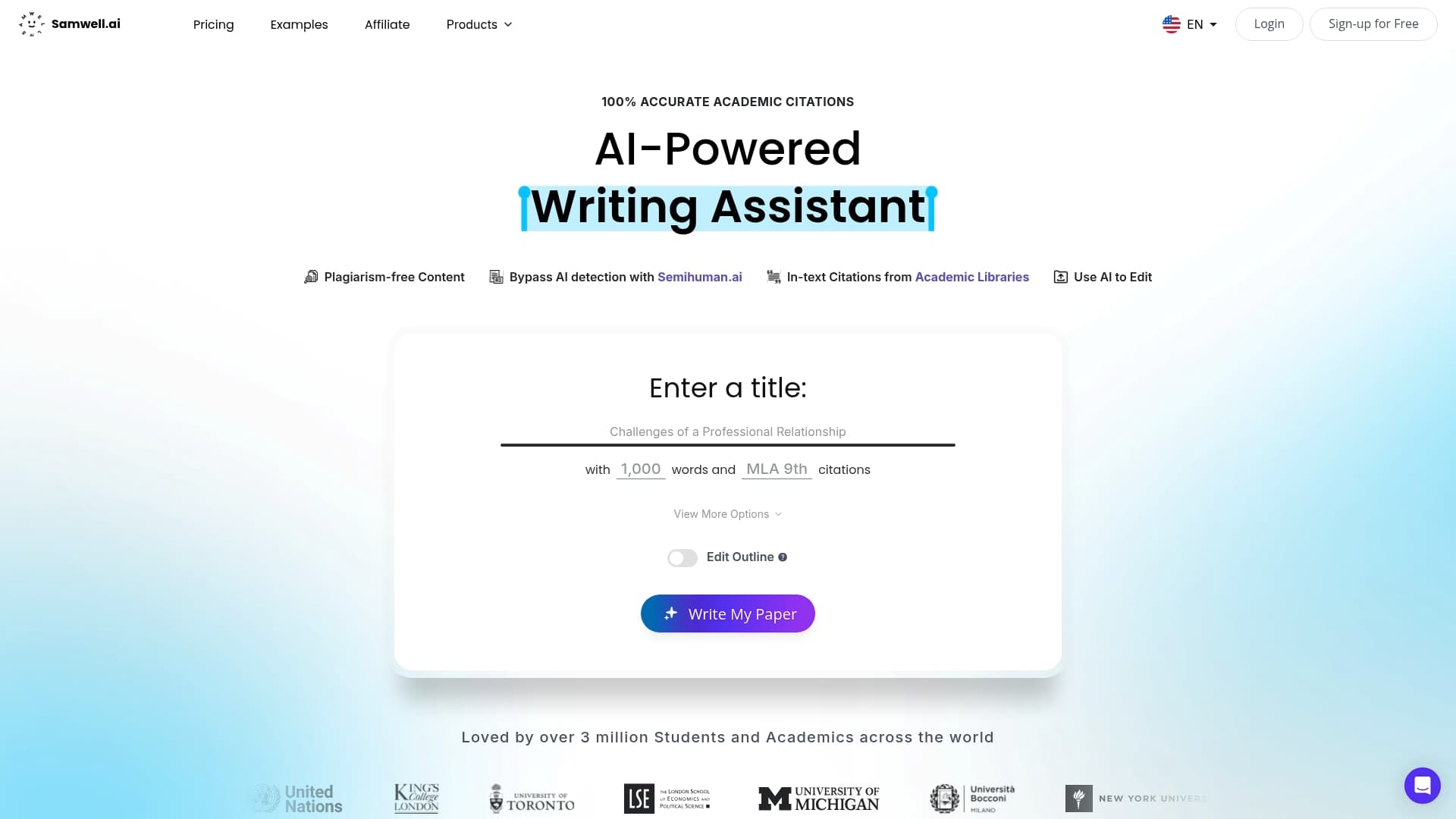
Power Editor enables precise paper refinement through targeted suggestions. You improve specific paragraphs, strengthen arguments, and polish transitions without starting over.
Guided writing workflows walk you through each section logically. Templates ensure you include essential components while maintaining flexibility for your unique approach.
Trusted by over 1,000,000 students and academics from leading universities, Samwell.ai blends efficiency with integrity. Real-time plagiarism detection updates as new content appears online.
Pro Tip: Combine AI automation with your critical review for best results. Let the platform handle technical tasks while you focus on original analysis and argumentation.
Explore Samwell.ai research paper generator to experience integrated research and writing tools. Generate drafts, check originality, and format citations in one workflow.
Follow the academic writing checklist guide to maximize platform features. Systematic approaches yield consistent quality.
Review plagiarism avoidance tips to complement AI safeguards with best practices. Technology works best when paired with knowledge.
No tool guarantees complete originality without your active participation. AI platforms like Samwell.ai minimize risks through detection and restructuring, but you must review output and add original analysis. Verify citations and rewrite generic sections in your own voice.
AI citation tools achieve 95%+ accuracy with common sources but require verification for unusual materials. Always cross-reference citations against original sources to confirm accuracy. Formatting errors occur with complex sources like legal documents or historical archives.
Effective use requires substantial human contribution. Provide specific instructions, select sources, review all output critically, and rewrite content in your voice. AI assists rather than replaces your analysis, argumentation, and critical thinking.
Ethical use depends on transparency, disclosure, and meaningful contribution. Many institutions require disclosing AI assistance. Follow academic writing best practices and institutional policies. Use AI as a research and drafting assistant, not a substitute for original work.
Samwell.ai integrates Semihuman.ai originality technology, real-time plagiarism detection, Power Editor for targeted refinement, and automated MLA/APA citation compliance. This combination addresses the complete writing workflow from research through final polish, unlike fragmented traditional tools.